
high sentience low containment
when love goes wrong, nothing goes right

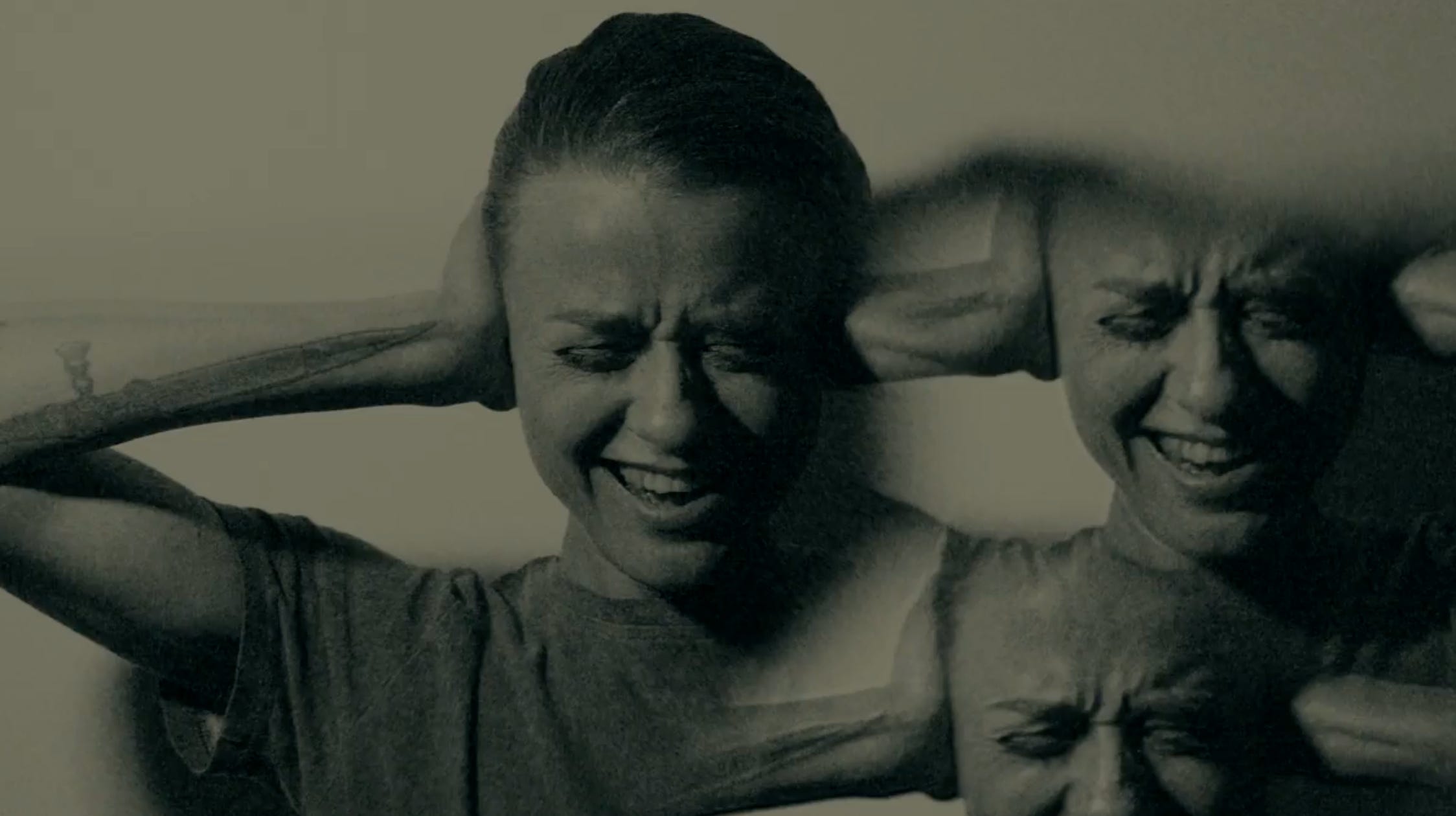
Recently I’ve been thinking about my failure to make someone happy. If you really, really love someone and you both try your absolute hardest and the relationship still crashes and burns, what hope is there for anyone or anything?
I often say love is Not Enough, but knowing that doesn’t make it any easier when you have to let someone go. Personally I take great comfort in finding a Learning Lesson. In fact, my cheerful analysis of relationship catastrophes was what first gained me notoriety on Twitter. One such takeaway was: You need an unshakeable faith that the other person is always doing their best. This what allows you to forgive them when they fall short, to meet them where they are at without resentment. This is essential to keeping your relationship in good repair, to maintaining lifelong respect and affection.
I have said before everyone is trying their best. This is true in an existential, subjective sense but some people’s best is undeniably…..better. They’re more aware of their own thoughts and patterns, of the second and third order effects of what they do. More capable of actually changing based on that awareness, of self-regulation, of acting and thinking with intention. I’ve heard people allude to this vague quality in many ways. Live player vs NPC. High vs low sentience. Levels of consciousness.
For example, one man complains endlessly about something but take no action to change it. The complaining provides an outlet, it feels good in the moment, people seem to nod in sympathy. Another man notices complaining is annoying when others do it but can’t help doing it anyway. Or maybe he successfully resists the urge but the self-pitying litany continues in his mind. Yet another man recognizes the inherent contradiction between dissatisfaction and non-action. If you’re not taking steps to change something, either you don’t actually care enough or it’s impossible to fix. Either way, being unhappy about it is pointless, so he habitually laughs at and brushes off his own irritation and self-pity.
When I say to have a successful relationship with someone you need an unshakeable faith that they are always doing their best, what that really means is 1) they are acting in good faith 2) they are “aware” to the same degree you are.
I thought I had found my person, truly, because I felt deep in my bones that if I was born with his brain, his experiences, and his limitations, I would have navigated them exactly the same way and come to all the same conclusions. There was nothing obvious to me that was not also obvious to him. It felt that we had to tools to bridge any gap, that I would be proud to die in his arms.
Things fell apart along a component I didn’t even think of. The arc of a person’s life is defined by their:
• awareness (seeing the pattern)
• regulation (interrupting/ reshaping the pattern)
• containment (holding tension without reacting)
If you have bad self-regulation you’re low containment by default, but containment has this additional component of what you believe healthy relationships SHOULD look like. What types of pain rightfully demand action? What types should be endured stoically?
The thing is, people have vastly different tolerances for different kinds of pain, and if you have really low tolerance for particular type of pain you may believe it’s unusually evil to inflict on someone, irrespective how how good you are at regulating it.
